Unless otherwise noted, videos are courtesy of YouTube.
* If you receive an error when viewing a video, please reload page. (known error with Shopify)
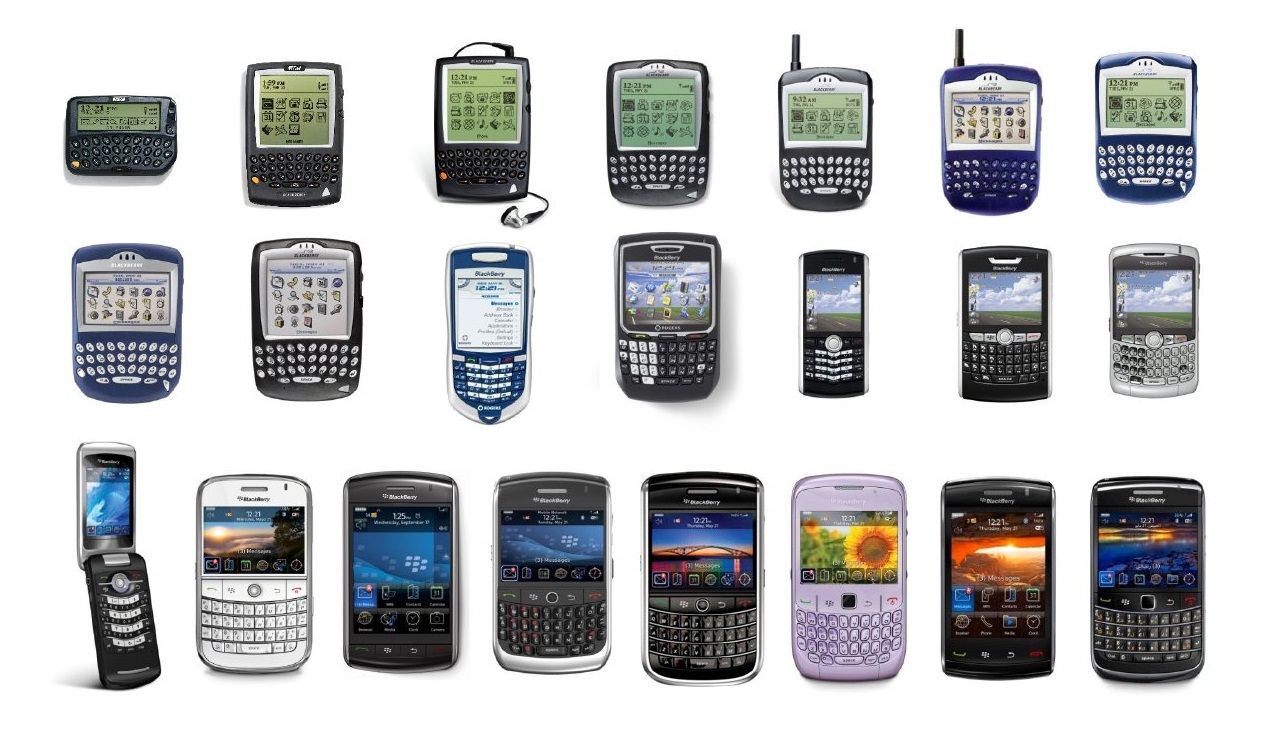
RIM Blackberry Line (2005-2009)
RIM Blackberry Line (2005-2009)
Research in Motion
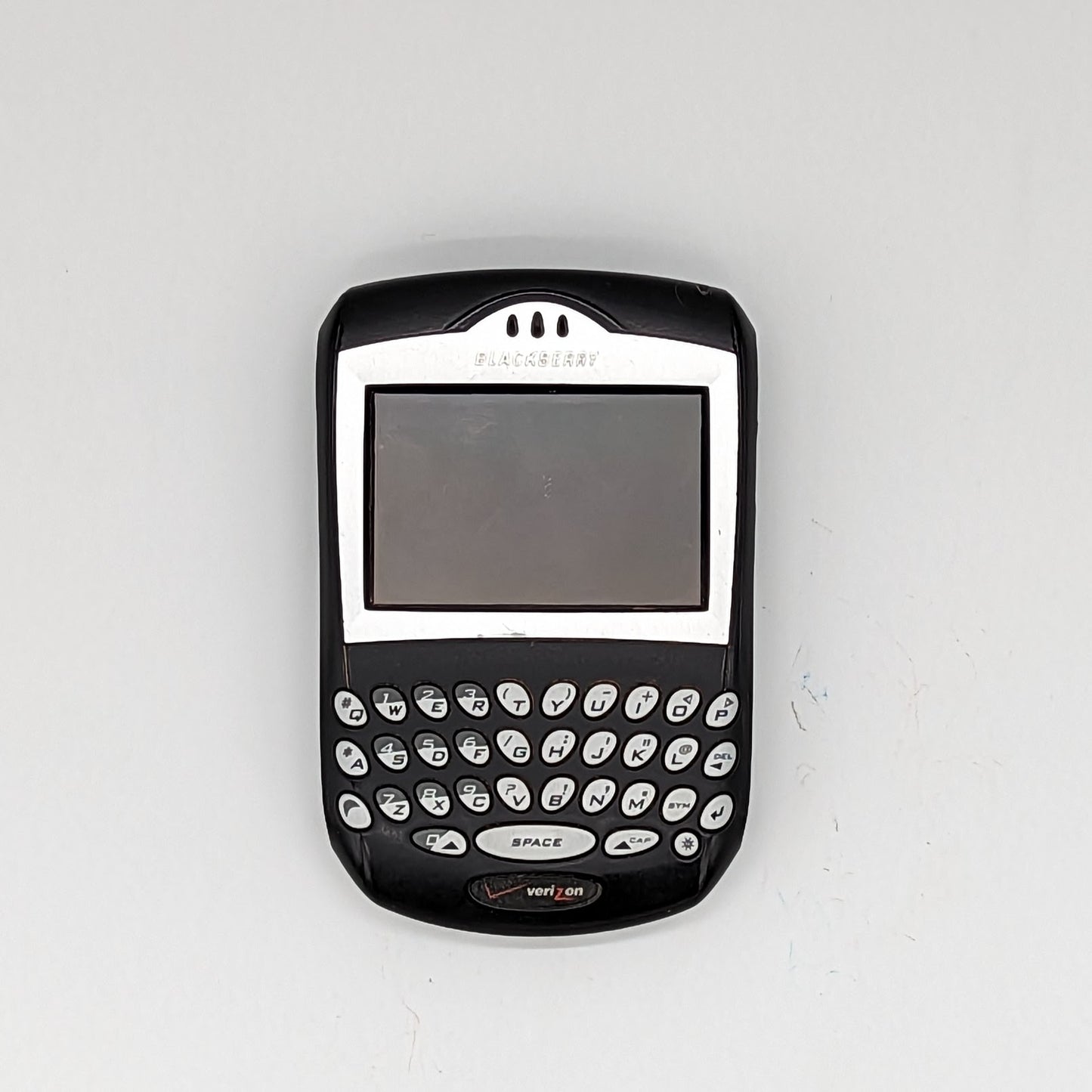
RIM Blackberry 7250
The BlackBerry 7250, released in early 2005, was a landmark device that solidified the company’s absolute dominance in the corporate world by bringing high-speed internet connectivity to its phone lineup. Instantly recognizable by its bright color screen and the classic, clicky keyboard that allowed for rapid-fire emailing, the 7250 was also the first of its kind to feature built-in Bluetooth, allowing business professionals to use wireless headsets for the first time. It traded the clunky, external antennas of older models for a sleek, hidden internal design, and it added a dedicated mute button on top to make managing conference calls a breeze. To navigate the phone, users relied on a tactile scroll wheel on the side—a feature so satisfying that many retro tech fans still prefer it over modern touchscreens. While it completely lacked a camera and a music player (features back then considered too distracting for serious office work), its secure, always-on email access made it an indispensable tool for Wall Street executives and government officials alike.
Donated by: Jake Glaser
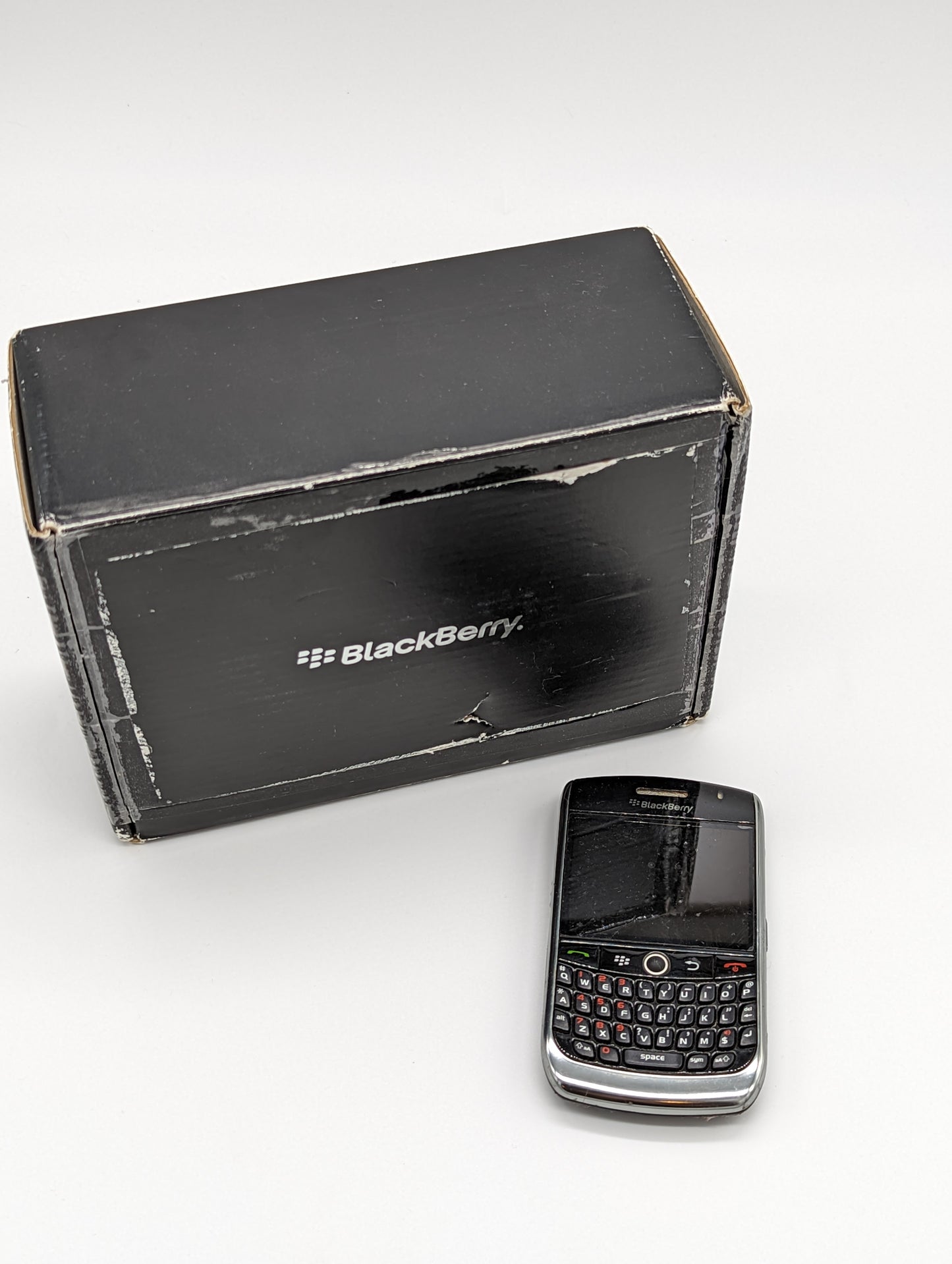
RIM Blackberry Curve 8900
The BlackBerry Curve 8900, released in early 2009, was widely considered the most elegant and refined smartphone the company had produced up to that point. It perfectly bridged the gap between their casual, consumer-friendly models and their high-end business devices. Even though it lacked newer high-speed 3G cellular data networks, users absolutely loved the 8900 for its stunningly crisp screen. It packed the highest picture sharpness of any BlackBerry at the time, making text and images pop beautifully. It featured a slim, premium frame with a chrome rim and used a small, glowing trackball to move the on-screen cursor. Equipped with a solid camera, built-in Wi-Fi, and GPS, it provided a smooth multimedia experience for an entire generation of users who depended on that legendary physical keyboard to send rapid-fire text messages on BBM (BlackBerry Messenger).
Donated by: Chris K.