

Unless otherwise noted, videos are courtesy of YouTube.
* If you receive an error when viewing a video, please reload page. (known error with Shopify)
Magnavox Odyssey (1972-1978)
Magnavox Odyssey (1972-1978)
Magnavox
Magnavox Odyssey
🥇First Home Video Game Console
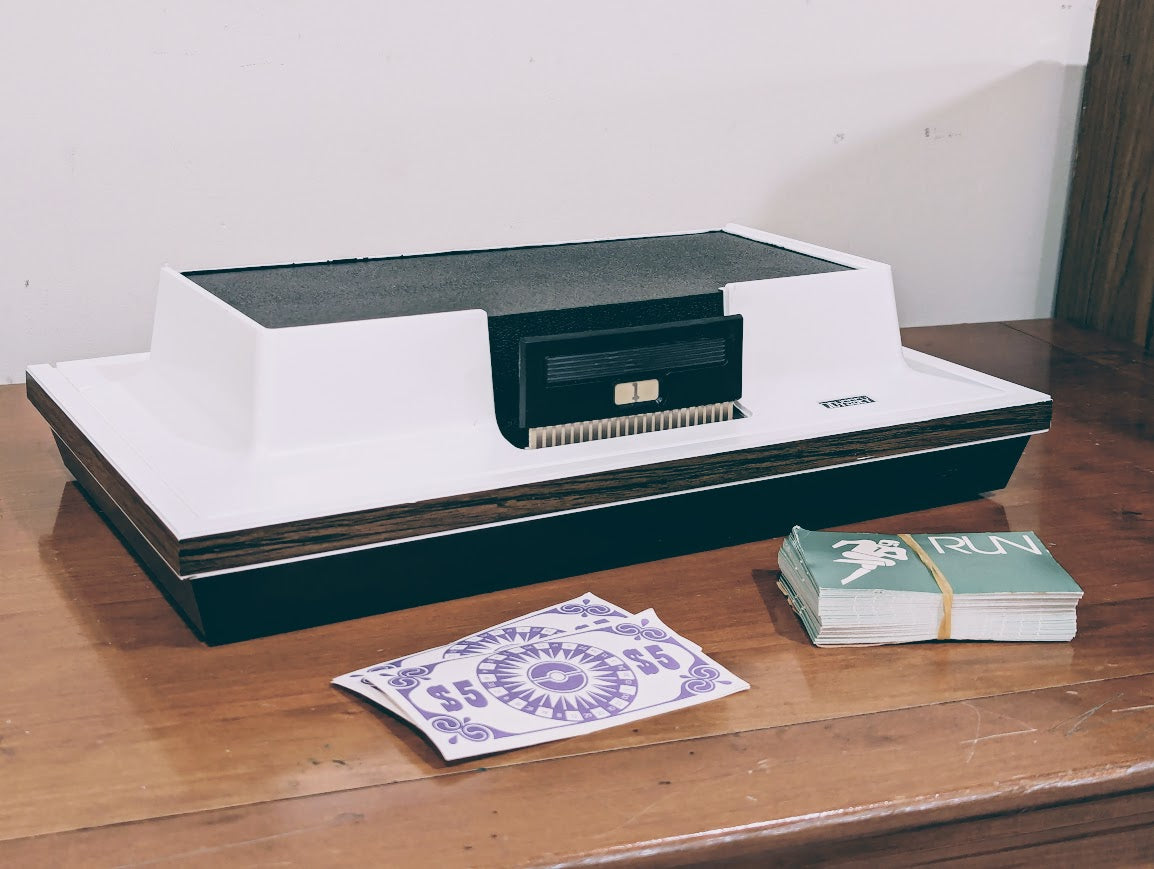
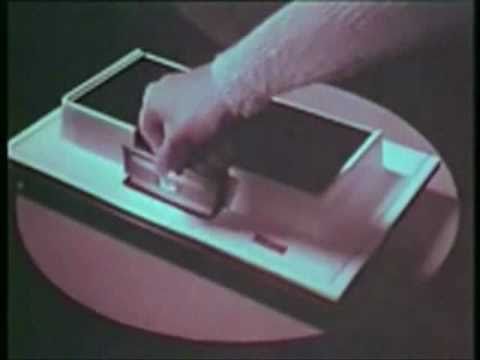
Launched in September 1972, the Magnavox Odyssey holds the undisputed title of the world’s first commercial home video game console, predating the Pong craze by several years. Conceived by Ralph Baer, the system was a masterclass in analog minimalism; it contained no computer processor or memory, relying instead on simple transistors and diodes to project three square dots and a vertical line onto a television screen. To compensate for these primitive graphics, the Odyssey came bundled with translucent plastic overlays that players physically taped to their TV screens to simulate backgrounds like a football field or a haunted house. It also featured the first-ever video game light gun and used plug-in "game cards" that acted as internal switches to reshape the system's built-in patterns. Despite selling a respectable 350,000 units, the Odyssey was hampered by a confusing marketing campaign that led many consumers to mistakenly believe it only worked on Magnavox-branded televisions.
Source: Elephants Trunk Flea Market
Magnavox Odyssey 300
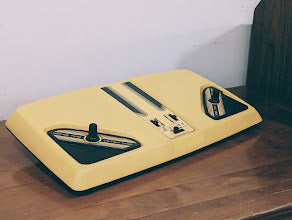
The Magnavox Odyssey 300, released in 1976, marked a significant leap forward from the company’s original 1972 analog experiment by embracing the "dedicated console" era of the mid-70s. Unlike its predecessor, which relied on complex jumper cards and plastic screen overlays, the Odyssey 300 was powered by a single General Instrument AY-3-8500 "Pong-on-a-chip," allowing it to generate on-screen scoring and three distinct game variations—Tennis, Hockey, and Smash—without the need for external accessories. It was designed as a direct, streamlined competitor to Coleco’s Telstar and Atari’s home Pong units, featuring a simplified three-position slide switch for difficulty levels that adjusted ball speed and paddle size. While its bright yellow plastic "wedge" casing and built-in knobs are now quintessential icons of 1970s "Retrofuturism," the console's most important legacy was its accessibility; by offering digital scoring and a "plug-and-play" experience at a mass-market price point, it helped transition video games from a high-tech novelty into a permanent fixture of the American living room.
